
Understanding what is true about the cleaning of garbage containers reveals a disturbing reality: research shows that trash cans harbor bacteria responsible for illnesses ranging from food poisoning to respiratory infections. Your garbage bin is a breeding ground for harmful pathogens like E. coli and Salmonella. Neglecting proper sanitation puts your family’s health at risk.
You might be concerned about what is true about cleaning garbage containers, ServSafe standards, or a healthier home. Either way, trash can cleaning and dumpster cleaning deserve serious attention. We’ll explore the hidden health risks lurking in your bins and what proper cleaning involves. You’ll also learn why professional sanitization matters for your household’s well-being.
The Truth About Bacteria and Germs in Your Trash Cans
Your trash bin contains contamination levels that would shock most homeowners. A dirty trash bin is 1,000 times more contaminated with bacteria than your toilet seat and handle. Researchers found over 10,000 distinct microorganisms in trash bins and dumpsters during a 2011-2012 study of acute care hospitals.
E. Coli growth comes from raw meat and spoiled leftovers. Salmonella can enter your trash cans from raw poultry scraps, egg shells, and bad produce. Listeria is found in dairy waste and soft cheeses. Used tissues, paper towels, and cardboard food containers will introduce Staphylococcus to the bin. If you put cooked meat scraps or spoiled meat gravies, the Clostridium Perfringens will grow.
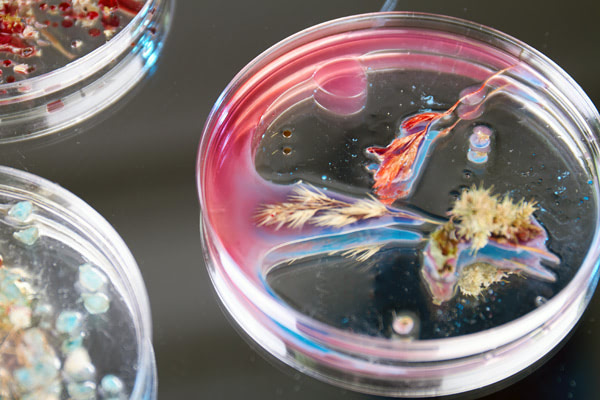
The severity of contamination has been revealed in scientific testing. Bacteria were detected (267-6,633 CFU/g) on recyclable waste surfaces. Contaminated paper had a concentration of 9.1 million CFU/g, and plastic had a concentration of 6.8 million CFU/g. Food waste ranged from 4.3 to 11 million CFU/g.
These types of bacteria don’t die fast. Salmonella can survive for 32 hours on a kitchen counter. Bacteria like E.Coli and Staphylococcus can live for months on dry surfaces. Warm and moist conditions inside a trash can will accelerate their growth. Summer heat gives them a faster growth rate.
Hidden Health Risks Most People Don’t Know About
Besides bacterial contamination, mold growth also poses serious risks. Mold thrives in moist, dark environments, including trash cans, dumpsters, and areas where decaying waste accumulates. Airborne spores can cause eye irritation, wheezing, headaches, and nasal congestion. Anyone with asthma or allergies is at risk when opening a container of organic waste.
Cross-contamination is always present. Bacteria can be transferred from your trash cans to your hands when handling them. The bacteria spread when you touch your mouth, nose, or eyes. Contaminated hands that touch doorknobs, faucets, and phones can transmit illness to other family members.
House flies transmit at least 65 different illnesses to humans. These include gastrointestinal infections from viruses and bacteria. Rodents can carry Leptospirosis, Hantavirus, and Salmonella by spreading bacteria from waste bins to other surfaces in your home. This can cause gastrointestinal illness, skin infections, and respiratory issues.
Children’s risks are higher. They breathe more air, drink more water, and eat more food per kilogram of body weight. An infant’s respiratory rate is twice that of an adult. They also have more surface area-to-body mass ratios, which raises the risks.
What Proper Trash Can Cleaning Actually Involves
When you attempt to clean your trash cans, it usually falls short of sanitation. Using a hose and detergent removes surface dirt but leaves harmful bacteria to thrive in corners and crevices. You will notice odors will return within days, and maggots often survive the process.
The truth about cleaning garbage containers involves three levels. Basic cleaning with soap and water will remove visible soil and debris. Sanitizing will reduce the presence of microscopic organisms, killing approximately 99.9% of surface germs. Disinfection goes even further, eliminating 99.999% of bacteria, viruses, and pathogens. For example, professional cleaning achieves disinfection rates 100 times more effective than bleach or detergents.

Cleaning Services such as Palmetto Can Cleaning in Simpsonville, SC. uses specialized equipment that holds your bins while high-pressure, hot-water systems operate at 200 degrees Fahrenheit. This temperature kills bacteria and germs on contact, providing sanitization that cold water cannot achieve. Biodegradable cleaning agents dissolve sticky residue without harsh chemicals. The whole process includes sanitization and deodorization, while wastewater is collected for responsible disposal.
It is recommended that you clean trash bins monthly or biweekly when food waste accumulates. Regular professional service will help prevent bacterial regrowth and keep them in a sanitary condition much longer than the DIY methods.
Conclusion
Your trash cans are breeding grounds for bacteria and viruses that can threaten your family’s health. You can’t afford to ignore proper sanitization. DIY cleaning falls short of what is needed to eliminate harmful pathogens such as E. coli and Salmonella. Professional trash can cleaning services provide high-temperature disinfection and deodorization of your bins as needed.
Cleaning Garbage Containers | Blog Article | Palmetto Can Cleaning | All Rights Reserved | Simpsonville, SC